

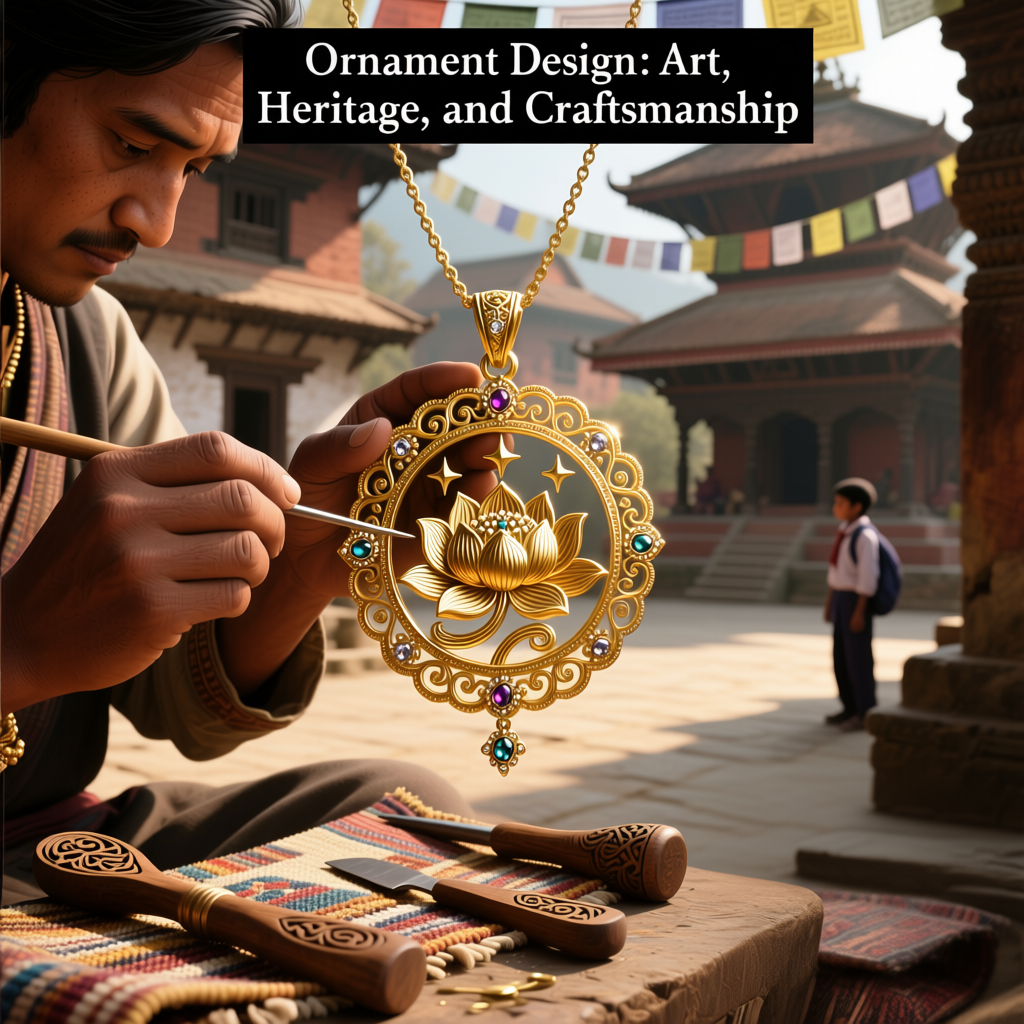
5. How to Design Ornaments ?
Ornament design is an art form that blends creativity, cultural heritage, and technical precision. Whether you’re drawn to crafting delicate gold ornaments or designing playful pieces for girls, mastering this skill opens doors to both personal expression and professional opportunity. In recent years, interest in jewelry making—particularly in regions like Nepal—has surged, leading to a growing demand for structured learning through an ornaments course in Nepal. This guide explores the fundamentals of ornament design, highlights key materials like gold, and offers practical steps to begin your journey in this timeless craft.
Table of Contents
1.Understanding Design Ornaments
Ornament design refers to the process of conceptualizing and creating decorative items—typically worn as jewelry—that enhance personal aesthetics. These pieces may be crafted from various materials, but gold ornaments remain among the most coveted due to their luster, durability, and symbolic value. When designing ornaments for girls, considerations such as comfort, safety, and age-appropriate motifs become essential. Moreover, cultural context often influences design choices, especially in countries like Nepal, where traditional patterns hold deep significance.
To begin, it’s important to recognize that ornament design is not merely about aesthetics; functionality and wearability must also be prioritized. Therefore, aspiring designers should study proportions, ergonomics, and material behavior before sketching their first concept.
2.Essential Tools and Materials
Before diving into design, gathering the right tools is crucial. Basic equipment includes jewelry pliers, files, mandrels, polishing cloths, and measuring instruments. For those working with precious metals, a jeweler’s torch and casting setup may also be necessary. Gold, in particular, requires careful handling due to its malleability and high value.
In addition to physical tools, digital software such as CAD (Computer-Aided Design) programs is increasingly used in modern ornament design. These tools allow designers to visualize intricate details and make precise adjustments before physical production begins. Consequently, many contemporary ornaments courses in Nepal now integrate digital training alongside traditional handcrafting techniques.
3.Step-by-Step Process of Design Ornaments
i. Research and Inspiration
Every great design begins with inspiration. Look to nature, architecture, historical artifacts, or even personal stories for creative fuel. In Nepal, traditional motifs like the kalash (sacred pot), lotus flowers, and mandalas frequently appear in ornaments in gold, reflecting spiritual and cultural narratives.
ii. Sketching and Conceptualization
Once inspired, translate ideas into rough sketches. At this stage, focus on shape, symmetry, and overall composition rather than fine details. Multiple iterations are common, and feedback from peers or mentors can significantly refine your concept.
iii. Material Selection
Choose materials based on the intended audience and purpose. For instance, ornaments for girls might use lightweight alloys or enamel finishes for safety and vibrancy, whereas bridal or ceremonial pieces often feature gold ornaments for their prestige and longevity.
iv. Prototyping
Create a prototype using wax, polymer clay, or 3D printing. This tangible model helps assess proportions and comfort. Adjustments are typically made at this stage to ensure the final product meets both aesthetic and functional standards.
v. Final Production
After approval, the design moves into final production. If working with gold, casting, soldering, and polishing techniques must be executed with precision. Quality control is essential to maintain the integrity and beauty of the piece.
4.Why Enroll in an Ornaments Course in Nepal?
For those serious about mastering this craft, enrolling in a formal ornaments course in Nepal provides structured learning and access to expert guidance. These courses often cover:
- Fundamentals of metalwork and gem setting
- Cultural symbolism in Nepali jewelry
- Business aspects of selling handmade ornaments
- Safety protocols and sustainable practices
Furthermore, local institutions frequently collaborate with artisans, offering students real-world exposure. As a result, graduates are not only skilled designers but also culturally informed creators who understand the nuances of regional aesthetics.
5.Design Ornaments for Girls: Special Considerations
When creating ornaments for girls, safety is paramount. Sharp edges, small detachable parts, and toxic materials must be avoided. Lightweight metals like silver or gold-plated brass are often preferred over solid gold for everyday wear due to cost and weight. Additionally, playful elements—such as stars, hearts, or cartoon-inspired shapes—can make pieces more appealing to younger audiences.
That said, even children’s jewelry can reflect cultural identity. In Nepal, miniature versions of traditional gold ornaments like tikas or kanthas (necklaces) are sometimes gifted during festivals, blending heritage with youthful charm.
6.The Timeless Appeal of Gold Ornaments
Gold has been revered across civilizations for millennia, and its role in ornament design remains unmatched. Ornaments in gold symbolize prosperity, purity, and celebration in many cultures, including Nepali society. From intricate jhumkas (earrings) to elaborate haars (necklaces), gold allows for exceptional detail and lasting value.
However, working with gold demands skill. Its softness makes it prone to scratches, yet this same property enables exquisite engraving and filigree work. Therefore, designers must balance artistic ambition with practical durability—especially when crafting heirloom pieces meant to last generations.
7.Building a Career in Design Ornaments
With rising interest in handmade and bespoke jewelry, opportunities in ornament design continue to expand. Many designers now sell through online platforms, participate in craft fairs, or collaborate with fashion houses. In Nepal, the fusion of traditional craftsmanship and contemporary trends has created a niche market both domestically and internationally.
To succeed, continuous learning is essential. Revisiting foundational techniques, staying updated on global trends, and refining your unique style will set you apart. Additionally, networking with fellow artisans and joining local guilds can open doors to exhibitions, commissions, and teaching opportunities.
8.Final Thoughts
Ornament design is more than a technical skill—it’s a form of storytelling through metal and stone. Whether you’re drawn to the elegance of gold ornaments, the joy of crafting ornaments for girls, or the rich heritage embedded in Nepali jewelry, this art offers endless possibilities for growth and expression. By enrolling in a reputable ornaments course in Nepal, practicing consistently, and honoring both tradition and innovation, you can transform your passion into a meaningful and rewarding career.
Remember, every masterpiece begins with a single sketch. So pick up your pencil, gather your tools, and let your imagination shape the next generation of beautiful, wearable art
Ornament design is an art form that blends creativity, cultural heritage, and technical precision. Whether you’re drawn to crafting delicate gold ornaments or designing playful pieces for girls, mastering this skill opens doors to both personal expression and professional opportunity. In recent years, interest in jewelry making—particularly in regions like Nepal—has surged, leading to a growing demand for structured learning through an ornaments course in Nepal. This guide explores the fundamentals of ornament design, highlights key materials like gold, and offers practical steps to begin your journey in this timeless craft.
Understanding Design Ornaments
Ornament design refers to the process of conceptualizing and creating decorative items—typically worn as jewelry—that enhance personal aesthetics. These pieces may be crafted from various materials, but gold ornaments remain among the most coveted due to their luster, durability, and symbolic value. When designing ornaments for girls, considerations such as comfort, safety, and age-appropriate motifs become essential. Moreover, cultural context often influences design choices, especially in countries like Nepal, where traditional patterns hold deep significance.
To begin, it’s important to recognize that ornament design is not merely about aesthetics; functionality and wearability must also be prioritized. Therefore, aspiring designers should study proportions, ergonomics, and material behavior before sketching their first concept.
Essential Tools and Materials
Before diving into design, gathering the right tools is crucial. Basic equipment includes jewelry pliers, files, mandrels, polishing cloths, and measuring instruments. For those working with precious metals, a jeweler’s torch and casting setup may also be necessary. Gold, in particular, requires careful handling due to its malleability and high value.
In addition to physical tools, digital software such as CAD (Computer-Aided Design) programs is increasingly used in modern ornament design. These tools allow designers to visualize intricate details and make precise adjustments before physical production begins. Consequently, many contemporary ornaments courses in Nepal now integrate digital training alongside traditional handcrafting techniques.
Step-by-Step Process of Design Ornaments
1. Research and Inspiration
Every great design begins with inspiration. Look to nature, architecture, historical artifacts, or even personal stories for creative fuel. In Nepal, traditional motifs like the kalash (sacred pot), lotus flowers, and mandalas frequently appear in ornaments in gold, reflecting spiritual and cultural narratives.
2. Sketching and Conceptualization
Once inspired, translate ideas into rough sketches. At this stage, focus on shape, symmetry, and overall composition rather than fine details. Multiple iterations are common, and feedback from peers or mentors can significantly refine your concept.
3. Material Selection
Choose materials based on the intended audience and purpose. For instance, ornaments for girls might use lightweight alloys or enamel finishes for safety and vibrancy, whereas bridal or ceremonial pieces often feature gold ornaments for their prestige and longevity.
4. Prototyping
Create a prototype using wax, polymer clay, or 3D printing. This tangible model helps assess proportions and comfort. Adjustments are typically made at this stage to ensure the final product meets both aesthetic and functional standards.
5. Final Production
After approval, the design moves into final production. If working with gold, casting, soldering, and polishing techniques must be executed with precision. Quality control is essential to maintain the integrity and beauty of the piece.
Why Enroll in an Ornaments Course in Nepal?
For those serious about mastering this craft, enrolling in a formal ornaments course in Nepal provides structured learning and access to expert guidance. These courses often cover:
- Fundamentals of metalwork and gem setting
- Cultural symbolism in Nepali jewelry
- Business aspects of selling handmade ornaments
- Safety protocols and sustainable practices
Furthermore, local institutions frequently collaborate with artisans, offering students real-world exposure. As a result, graduates are not only skilled designers but also culturally informed creators who understand the nuances of regional aesthetics.
Design Ornaments for Girls: Special Considerations
When creating ornaments for girls, safety is paramount. Sharp edges, small detachable parts, and toxic materials must be avoided. Lightweight metals like silver or gold-plated brass are often preferred over solid gold for everyday wear due to cost and weight. Additionally, playful elements—such as stars, hearts, or cartoon-inspired shapes—can make pieces more appealing to younger audiences.
That said, even children’s jewelry can reflect cultural identity. In Nepal, miniature versions of traditional gold ornaments like tikas or kanthas (necklaces) are sometimes gifted during festivals, blending heritage with youthful charm.
The Timeless Appeal of Gold Ornaments
Gold has been revered across civilizations for millennia, and its role in ornament design remains unmatched. Ornaments in gold symbolize prosperity, purity, and celebration in many cultures, including Nepali society. From intricate jhumkas (earrings) to elaborate haars (necklaces), gold allows for exceptional detail and lasting value.
However, working with gold demands skill. Its softness makes it prone to scratches, yet this same property enables exquisite engraving and filigree work. Therefore, designers must balance artistic ambition with practical durability—especially when crafting heirloom pieces meant to last generations.
Building a Career in Design Ornaments
With rising interest in handmade and bespoke jewelry, opportunities in ornament design continue to expand. Many designers now sell through online platforms, participate in craft fairs, or collaborate with fashion houses. In Nepal, the fusion of traditional craftsmanship and contemporary trends has created a niche market both domestically and internationally.
To succeed, continuous learning is essential. Revisiting foundational techniques, staying updated on global trends, and refining your unique style will set you apart. Additionally, networking with fellow artisans and joining local guilds can open doors to exhibitions, commissions, and teaching opportunities.
Final Thoughts
Ornament design is more than a technical skill—it’s a form of storytelling through metal and stone. Whether you’re drawn to the elegance of gold ornaments, the joy of crafting ornaments for girls, or the rich heritage embedded in Nepali jewelry, this art offers endless possibilities for growth and expression. By enrolling in a reputable ornaments course in Nepal, practicing consistently, and honoring both tradition and innovation, you can transform your passion into a meaningful and rewarding career.
Remember, every masterpiece begins with a single sketch. So pick up your pencil, gather your tools, and let your imagination shape the next generation of beautiful, wearable art .
Visit the siteJewellery Making Basic Tools & Supplies | Jewellery making course