

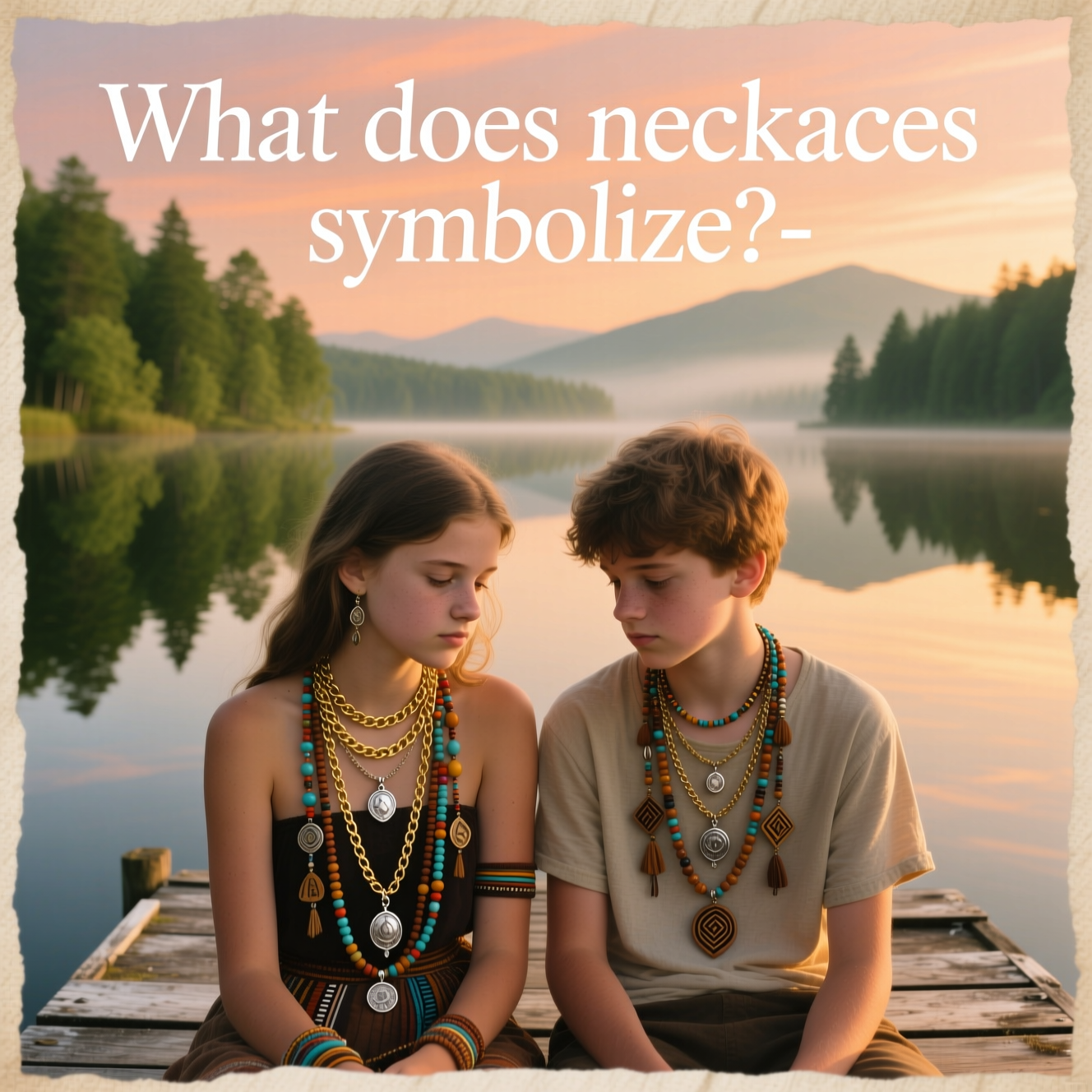
What Does Necklaces Symbolize?
Necklaces have adorned humanity for millennia—not merely as decorative accessories but as powerful symbols. From ancient civilizations to modern fashion runways, these cherished pieces communicate messages far beyond aesthetics. Whether crafted in gleaming gold ornaments, delicate silver, or vibrant beads, necklaces often carry profound emotional and symbolic weight. In this article, we’ll explore the multifaceted meanings behind necklaces, delve into the art of ornament design . In Nepal, and examine why ornaments for girls and ornaments in gold hold special cultural resonance.
Table of Contents
The Universal Language of Necklaces
Throughout history, necklaces have served as more than just embellishments. In fact, they’ve functioned as talismans, status markers, and even declarations of love. For instance, in ancient Egypt, necklaces were believed to offer protection in the afterlife and were frequently buried with the deceased. Similarly, in many Indigenous cultures, beaded necklaces symbolize tribal affiliation, spiritual beliefs, or rites of passage.
Moreover, necklaces often represent emotional connections. Consider the classic “promise necklace” exchanged between friends or lovers—a physical token of commitment. Likewise, heirloom necklaces passed through generations embody familial bonds and continuity. Thus, while ornament design may evolve with trends, the symbolic essence of necklaces remains timeless.
Cultural Symbolism Across Continents
Love and Commitment
In Western societies, necklaces—especially those featuring hearts or initials—are commonly gifted to signify affection. Engagement and wedding necklaces, though less common than rings, still play a role in certain traditions . In parts of South Asia, brides wear gold ornaments, including necklaces like the mangalsutra or choker, which symbolize marital status and devotion.
Protection and Spirituality
Many cultures embed spiritual meaning into their neckwear. In Hinduism, rudraksha or tulsi bead necklaces are worn for divine protection and mindfulness. Similarly, Christian crosses and Islamic hamsa pendants serve as reminders of faith and divine guardianship. These pieces are not only ornaments in gold or other metals but also sacred objects that connect the wearer to a higher power.
Status and Wealth
Historically, the materials and craftsmanship of a necklace indicated social standing. Royalty and nobility often wore gold ornaments encrusted with precious stones to display power and affluence. Even today, luxury necklaces from renowned designers signal prestige and success. Consequently, learning ornament design isn’t just about aesthetics—it’s about understanding cultural narratives and economic symbolism.
The Role of Ornament Design in Modern Expression
Contemporary ornament design blends tradition with innovation. Designers now experiment with sustainable materials, minimalist forms, and personalized engravings to reflect individual stories. Notably, there’s growing interest in ethically sourced gold ornaments, as consumers seek both beauty and responsibility.
For those passionate about this craft, enrolling in an ornaments course in Nepal can be a transformative step. Nepal, with its rich heritage of metalwork and intricate jewelry-making, offers unique training techniques with modern design principles. Such courses often cover everything from sketching and casting to marketing finished pieces—equipping students to create meaningful ornaments.
Why Gold Ornaments Hold Enduring Appeal
Gold has long been revered—not only for its luster and durability but also for its symbolic purity. Across Asia, ornaments in gold are integral to ceremonies, from weddings to religious festivals. In Nepal and India, gifting gold necklaces to daughters is a customary expression of blessing and security.
Furthermore, gold retains value over time, making it both an emotional and financial investment. This dual significance ensures that gold ornaments remain central to family traditions and personal milestones. As such, understanding the nuances of ornament design in gold requires sensitivity to cultural context as much as technical skill.
Ornaments for Girls: More Than Just Adornment
When selecting ornaments for girls, families often consider symbolism alongside style. Delicate chains with small pendants—such as stars, moons, or animals—can represent innocence, dreams, or protective spirits. In many communities, a girl’s first necklace marks a rite of passage, perhaps her first birthday or a religious ceremony.
Additionally, modern parents increasingly choose hypoallergenic and lightweight designs to ensure comfort and safety. This shift has inspired designers to innovate within the realm of ornament design, creating pieces that are both meaningful and practical for young wearers.
Learning the Craft: Ornaments Course in Nepal
For aspiring artisans, Nepal offers a fertile ground to study jewelry-making. An ornaments course in Nepal typically includes hands-on training in metal shaping, stone setting, and traditional motifs like mandalas or lotus patterns. Students also learn about the cultural significance behind various designs, ensuring their creations resonate deeply with local and global audiences.
What’s more, such courses often emphasize sustainable practices—using recycled gold or locally sourced materials—which aligns with contemporary ethical standards. Graduates leave not only with technical expertise but also with a profound appreciation for the stories ornaments in gold can tell.
Final Thoughts: Wearing Meaning, Not Just Metal
Ultimately, necklaces are far more than decorative accessories. They encapsulate love, faith, heritage, and aspiration. Whether it’s a simple chain gifted to a child or an heirloom gold ornament worn at a wedding, each piece carries layers of meaning shaped by history and personal experience.
As interest in authentic, meaningful jewelry grows, so does the demand for skilled designers who understand both ornament design and cultural symbolism. For those inspired to enter this field, opportunities like an ornaments course in Nepal provide a gateway to preserving tradition while shaping the future of adornment.
By honoring the past and embracing innovation, today’s creators ensure that necklaces continue to symbolize not just beauty—but belonging, belief, and the bonds that connect us all.
Visit the site The Necklace | History and its Origins