

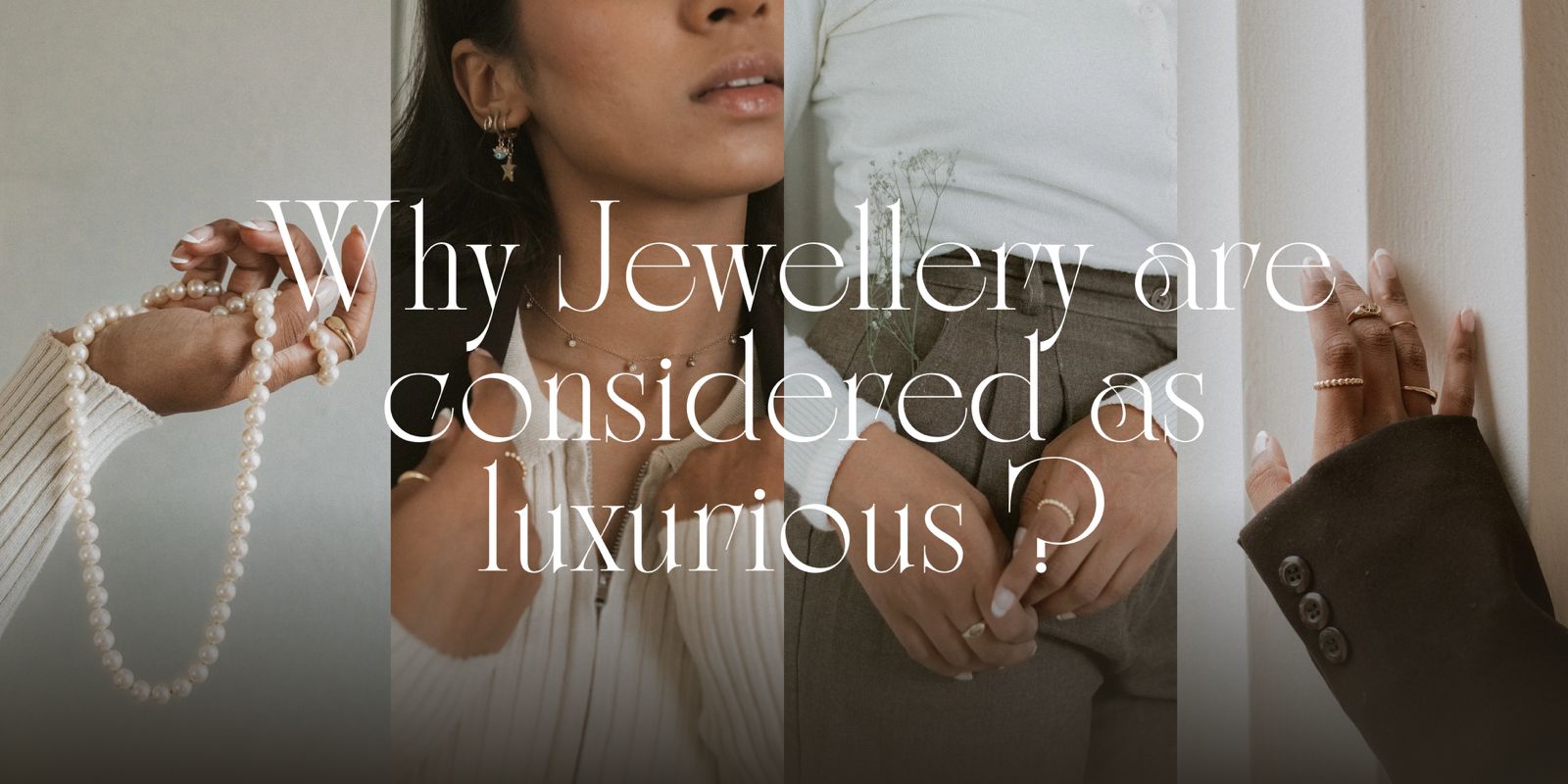
1.Why are Jewellery are considered Luxurious ?
Jewellery has long symbolized elegance, status, and timeless beauty across cultures and centuries. From ancient civilizations to modern fashion runways, ornaments have consistently embodied luxurious . But what exactly makes jewellery—especially gold ornaments—so universally revered as a mark of opulence?
In this article, we’ll explore the historical, cultural, and aesthetic reasons behind jewellery’s luxurious reputation. With special attention to ornaments design, gold plating, and the growing interest in ornaments course in Nepal.
Table of Contents
The Timeless Allure of Gold Ornaments
Gold has captivated humanity for millennia. Its lustrous shine, resistance to tarnish, and rarity have made it a preferred medium for crafting ornaments in gold. Historically, only royalty and the elite could afford such treasures, reinforcing gold’s association with wealth and power . Even today, ancient gold artefacts discovered in archaeological sites reveal intricate craftsmanship that continues to inspire modern design.
Moreover, gold’s intrinsic value remains stable, making it not just a decorative item but also a financial asset. This dual role—as both adornment and investment—further elevates its luxurious status. Whether passed down through generations or gifted during significant life events, gold ornaments carry emotional and monetary weight .
Cultural Significance and Symbolism
Across the globe, jewellery serves as more than mere decoration. In many cultures, it symbolizes identity, heritage, and social standing. For instance, in South Asia—including Nepal—ornaments for girls are often gifted during rites of passage like weddings. These pieces are not only beautiful but also deeply meaningful, connecting wearers to their roots and community values.
Additionally, traditional designs often incorporate motifs that convey blessings, protection, or prosperity. Consequently, wearing such ornaments in gold becomes an act of cultural pride. In Nepal, where craftsmanship meets spirituality, artisans continue to produce pieces that blend ancient techniques . With contemporary aesthetics—making the ornaments course in Nepal increasingly popular among aspiring designers.
The Artistry Behind Luxurious Ornaments Design
Luxury in jewellery is not solely about the material—it’s also about the mastery behind its creation. Exceptional ornaments design requires precision, creativity, and years of training. Skilled artisans spend countless hours perfecting techniques like filigree, engraving, and stone setting, transforming raw metal into wearable art.
Furthermore, the rise of bespoke jewellery has redefined luxury as something deeply personal. Custom pieces allow individuals to express their unique stories through design elements, gemstone choices, and metal finishes. As a result, even gold plating—a more affordable alternative to solid gold—can exude luxury when applied with artistic intent and high-quality craftsmanship.
Gold Plating: Accessibility Meets Luxurious Elegance
While solid gold remains the pinnacle of luxury, gold plating offers an accessible entry point for those seeking elegance without the hefty price tag. When done correctly, gold-plated jewellery can mimic the appearance of solid gold while maintaining durability and shine.
However, not all gold plating is created equal. High-end pieces use thicker layers of gold over quality base metals, ensuring longevity and a luxurious finish. This innovation democratizes luxury, allowing more people—especially young women exploring ornaments for girls—to enjoy the sophistication of gold without compromising on style or budget.
The Rise of Specialized Education: Ornaments Course in Nepal
As global interest in handmade, culturally rich jewellery grows, so does the demand for skilled artisans. In Nepal, institutions now offer an ornaments course in Nepal that teaches both traditional and modern techniques. Students learn about ancient gold working methods, sustainable sourcing, and contemporary ornaments design principles.
These courses not only preserve heritage but also empower local communities by creating employment opportunities in the luxury craft sector. Graduates often go on to launch their own brands or collaborate with international designers, bringing Nepali artistry to a global audience. Thus, education becomes a bridge between tradition and modern luxury.
Why Luxurious Ornaments Is More Than Just Price ?
It’s important to recognize that luxury isn’t defined solely by cost. True luxury lies in authenticity, craftsmanship, and emotional resonance. A handcrafted piece from a local artisan may carry more luxury than a mass-produced item from a famous brand—especially when it tells a story or honors a tradition.
For example, ornaments in gold made using centuries-old Nepali methods offer a depth of meaning that transcends material value. Similarly, ornaments for girls gifted during festivals become cherished heirlooms, embodying love and cultural continuity. In this sense, luxury is experienced, not just owned.
Sustainability and Ethical Luxury
In recent years, conscious consumers have begun prioritizing ethical sourcing and sustainability in their luxury purchases. This shift has influenced ornaments design, with many designers opting for recycled gold, conflict-free gemstones, and eco-friendly production methods.
Interestingly, gold plating can also align with sustainable practices when applied to recycled base metals. Meanwhile, institutions offering the ornaments course in Nepal increasingly emphasize ethical craftsmanship, ensuring that future generations uphold both quality and responsibility. As a result, modern luxury now includes accountability—a dimension that enhances, rather than diminishes, its appeal.
The Emotional Value of Jewellery
Beyond aesthetics and investment, jewellery holds profound emotional significance. A locket from a grandmother, a wedding bangle, or a pair of earrings received on a birthday—these items become vessels of memory. Gold ornaments, in particular, are often chosen for such moments because of their enduring nature, symbolizing everlasting love or commitment.
This emotional layer adds an intangible yet powerful dimension to luxury. After all, what could be more luxurious than wearing a piece that carries the warmth of personal history? Whether it’s a delicate chain or an elaborate ornaments design, the sentiment behind it elevates its worth far beyond market value.
Conclusion:
The Enduring Essence of Luxurious Jewellery
In summary, jewellery is considered luxurious due to a confluence of factors: historical prestige, cultural depth, artistic mastery, emotional resonance, and material rarity. From ancient gold relics to contemporary gold plating innovations, the world of ornaments continues to evolve while retaining its core essence of elegance.
Whether you’re drawn to ornaments for girls, exploring an ornaments course in Nepal, or simply admiring fine ornaments in gold, remember that true luxury lies in meaning as much as in metal. As trends change and technologies advance, the timeless appeal of beautifully crafted jewellery remains unshaken—forever gleaming as a symbol of human creativity and connection.
Visit Example Site Serpenti Dragoni | Bulgari High Jewelry